The Blurred Lines of Free Speech: Bihar’s Recent Arrests and the Impact on Social Media
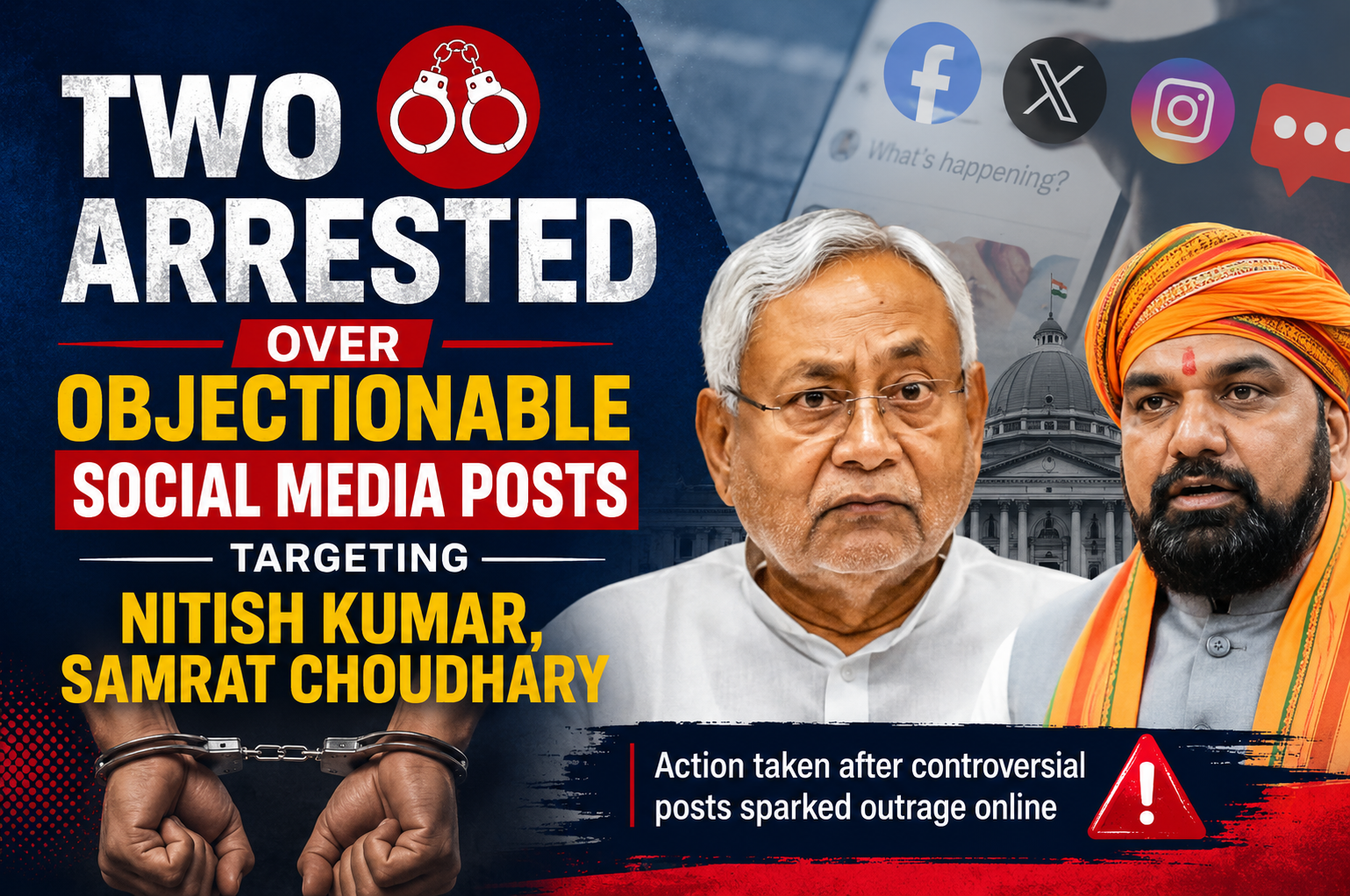
The recent arrests in Bihar over objectionable social media posts have sparked a heated debate about the limits of free speech in India. The two individuals were taken into custody for allegedly posting content targeting Nitish Kumar and Samrat Choudhary, raising questions about the balance between freedom of expression and hate speech.
The Complexity of Free Speech in India
In India, the right to free speech is enshrined in the Constitution, but it is not absolute. The law prohibits speech that incites violence, hatred, or discrimination, but the lines between what is acceptable and what is not can be blurry. The recent arrests in Bihar have highlighted the challenges of navigating this complex landscape.
According to reports, the two individuals were arrested under the Indian Penal Code (IPC) and the Information Technology Act (IT Act) for allegedly posting content that was deemed objectionable and hurtful to the targeted individuals.
The Role of Social Media in Shaping Public Discourse
Social media has become a powerful tool for shaping public discourse in India, with millions of users taking to platforms like Twitter, Facebook, and Instagram to express their opinions and engage with others. However, this has also created new challenges for regulating hate speech and online harassment.
As experts point out, social media companies have a responsibility to ensure that their platforms are not used to spread hate speech or harass individuals. But this raises questions about censorship and the limits of free speech.
The Implications for Digital Rights in India
The recent arrests in Bihar have significant implications for digital rights in India. The case highlights the need for clearer laws and regulations around online speech, as well as the importance of protecting individuals from online harassment and hate speech.
As India continues to navigate the complexities of free speech and digital rights, it is essential to find a balance between protecting individuals from harm and preserving the right to free expression. This requires a nuanced approach that takes into account the complexities of the online landscape and the diverse perspectives of Indian citizens.
Conclusion: The Way Forward for Free Speech in India
In conclusion, the recent arrests in Bihar over objectionable social media posts have highlighted the complex issues surrounding free speech in India. As the country continues to evolve and grow, it is essential to find a balance between protecting individuals from harm and preserving the right to free expression.
Written by Ankit Chauhan
Technology enthusiast focused on AI, automation and digital trends.