The Future of Obesity Care: How Digital Health, AI, and Remote Monitoring Are Paving the Way
The Rise of Digital Health in Obesity Care
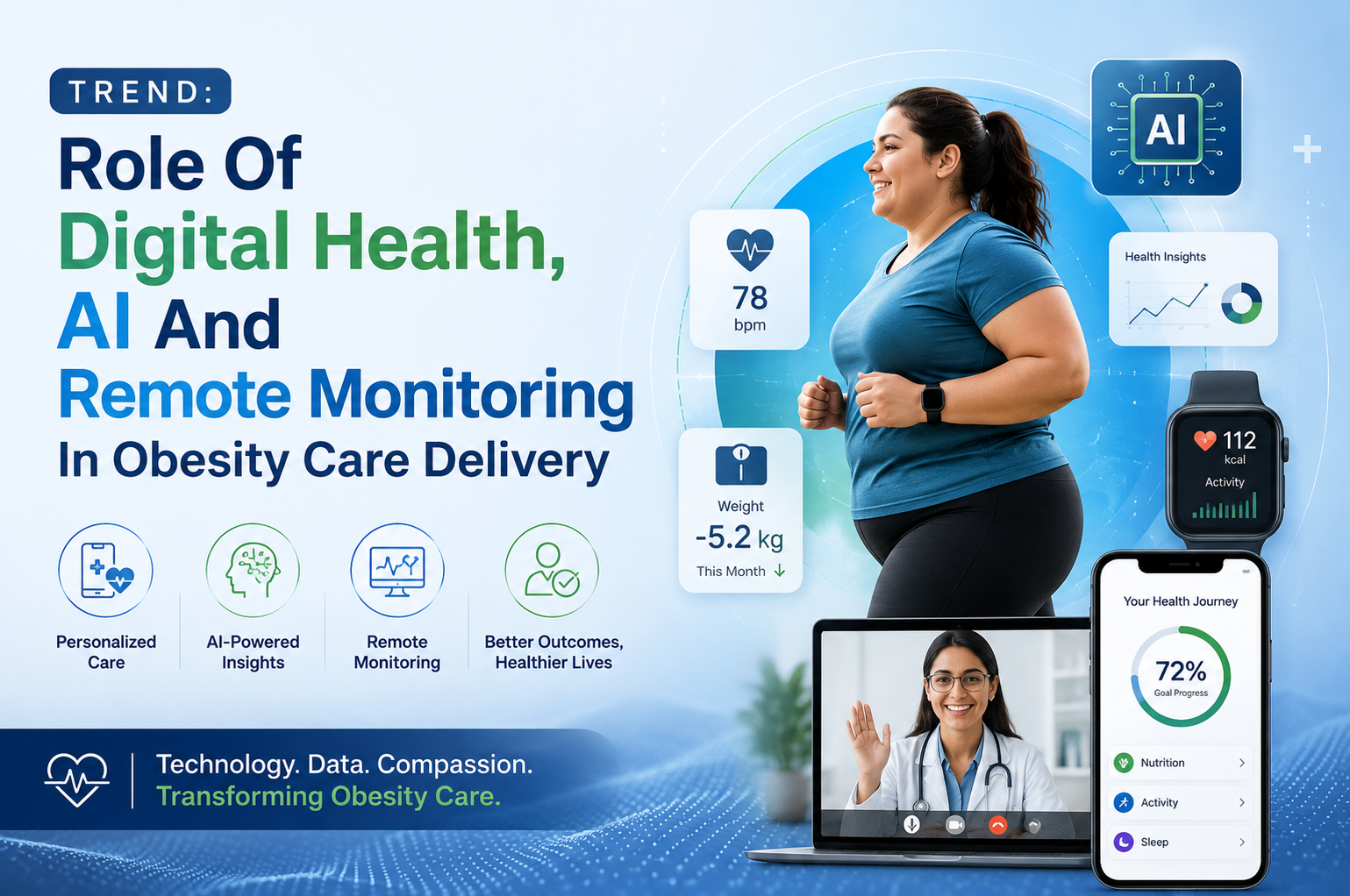
Digital health technologies are revolutionizing the way we approach obesity care. With the help of artificial intelligence and remote monitoring, healthcare providers can now deliver more personalized and effective care to patients.
One of the key benefits of digital health is its ability to provide patients with real-time feedback and support. This can be especially helpful for patients who are trying to manage their weight and make healthy lifestyle changes.
The Role of AI in Obesity Care
AI-powered chatbots and virtual assistants are being used to help patients track their progress and stay motivated. These tools can also help healthcare providers identify high-risk patients and provide them with more intensive support.
In addition to these benefits, AI-driven analytics are being used to help healthcare providers better understand the complexities of obesity and develop more effective treatment plans. By analyzing large datasets and identifying patterns, healthcare providers can gain a deeper understanding of the factors that contribute to obesity and develop more targeted interventions.
Remote Monitoring and Telehealth
Remote monitoring and telehealth are also playing a critical role in the delivery of obesity care. These technologies allow healthcare providers to remotely monitor patients and provide them with real-time feedback and support.
One of the key benefits of remote monitoring is its ability to provide patients with continuous care. This can be especially helpful for patients who live in rural or underserved areas and may not have access to regular healthcare services.
Practical Insights and Recommendations
So what can healthcare providers do to take advantage of these technologies and improve patient outcomes? Here are a few practical insights and recommendations:
- Invest in digital health platforms that provide patients with real-time feedback and support.
- Use AI-powered chatbots and virtual assistants to help patients track their progress and stay motivated.
- Develop remote monitoring and telehealth programs that provide patients with continuous care and support.
Conclusion
In conclusion, digital health, AI, and remote monitoring are revolutionizing the way we approach obesity care. By providing patients with real-time feedback and support, these technologies can help healthcare providers deliver more personalized and effective care.
As the healthcare landscape continues to evolve, it’s essential that healthcare providers stay up-to-date with the latest trends and innovations in digital health. By doing so, they can provide patients with the best possible care and improve health outcomes.
Written by Ankit Chauhan
Technology enthusiast focused on AI, automation and digital trends.