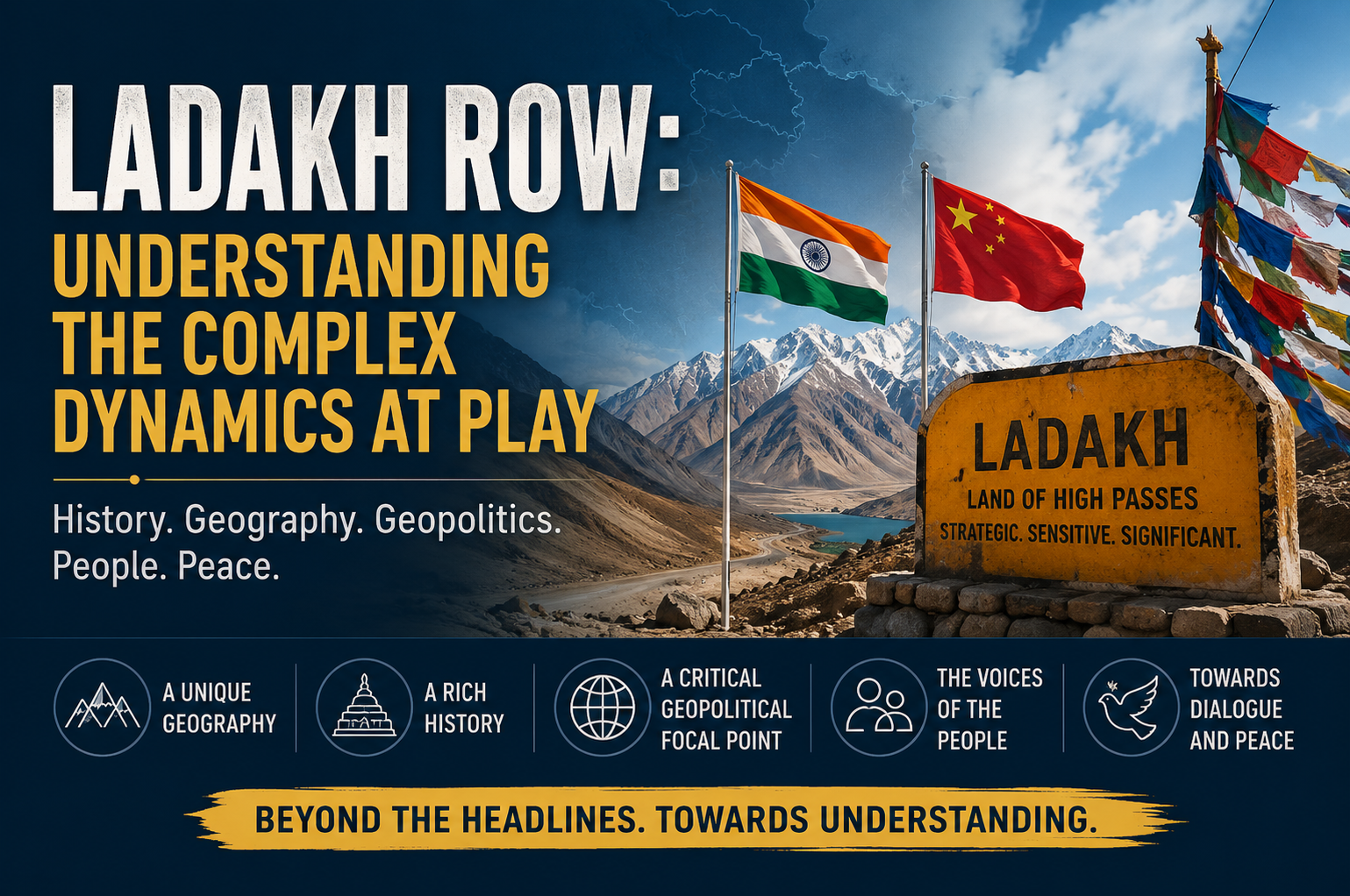
Ladakh Row: Understanding the Complex Dynamics at Play
The recent escalation in tensions between India and China over the Ladakh region has sparked concerns globally. The situation has been further complicated by a comment from the Lieutenant Governor (L-G) likening a local figure to a ‘cockroach’, which has deepened the chill in relations.
This comparison, while seemingly trivial, underscores the complexity and sensitivity of the issue. The Ladakh row is not merely a border dispute but is intertwined with historical, political, and strategic factors that influence the dynamics between these two Asian giants.
Historical Context of the Ladakh Dispute
To understand the current situation, it’s essential to delve into the historical context of the dispute. The region of Ladakh has been a point of contention between India and China for decades, with both countries having different perceptions of the border.
The conflict has its roots in the aftermath of the Chinese annexation of Tibet and the subsequent border clashes in the 1960s. Since then, there have been periods of relative calm punctuated by outbreaks of violence and diplomatic tensions.
Current Tensions and the Role of Local Figures
The current tensions have been exacerbated by the involvement of local figures, including Wangchuk, who has been vocal about the rights and concerns of the people of Ladakh. The L-G’s comment has been seen as an attempt to belittle and undermine the legitimacy of these voices.
Such actions can have significant implications, as they not only affect the local population but also resonate at the national and international levels. The reaction to the comment has highlighted the deep-seated mistrust and the lack of effective communication between the parties involved.
Potential Implications for India-China Relations
The Ladakh row has the potential to significantly impact India-China relations, affecting not just the security and strategic landscape but also economic and cultural exchanges. The situation demands careful management and diplomatic efforts to prevent escalation.
Both countries have a lot at stake, including trade relationships, regional stability, and their positions on the global stage. Therefore, finding a resolution that respects the sovereignty and concerns of both parties is crucial.
Conclusion: The Path Forward
The path forward for the Ladakh dispute is fraught with challenges. However, it also presents an opportunity for both India and China to demonstrate their commitment to peaceful resolution of conflicts and their ability to navigate complex geopolitical situations.
For a lasting solution, it is imperative to address the historical grievances, ensure the involvement of local stakeholders, and foster an environment of trust and cooperation. The international community has a role to play in supporting these efforts and promoting stability in the region.
Written by Ankit Chauhan
Technology enthusiast focused on AI, automation and digital trends.