The Double-Edged Sword of Wipro’s AI Strategy: A Deep Dive
As Wipro, one of the leading tech companies, embarks on its AI journey, the question on everyone’s mind is: will this strategy propel the company to new heights or hinder its revenue growth? In this article, we’ll delve into the details of Wipro’s AI plans and explore the potential implications.
The AI Landscape: A New Era for Tech Companies
The AI landscape is rapidly evolving, with companies like Wipro investing heavily in artificial intelligence and machine learning to stay ahead of the curve. This shift towards AI is driven by the need for digital transformation and the desire to leverage automation to streamline processes and improve efficiency.
However, this transition is not without its challenges. As companies like Wipro navigate the complex world of AI, they must balance the need for innovation with the potential risks of disruption to their existing business models.
Wipro’s AI Strategy: A High-Risk, High-Reward Approach
Wipro’s AI strategy is built around the idea of using machine learning and deep learning to drive business transformation. The company aims to leverage AI to improve customer experiences, enhance operational efficiency, and create new revenue streams.
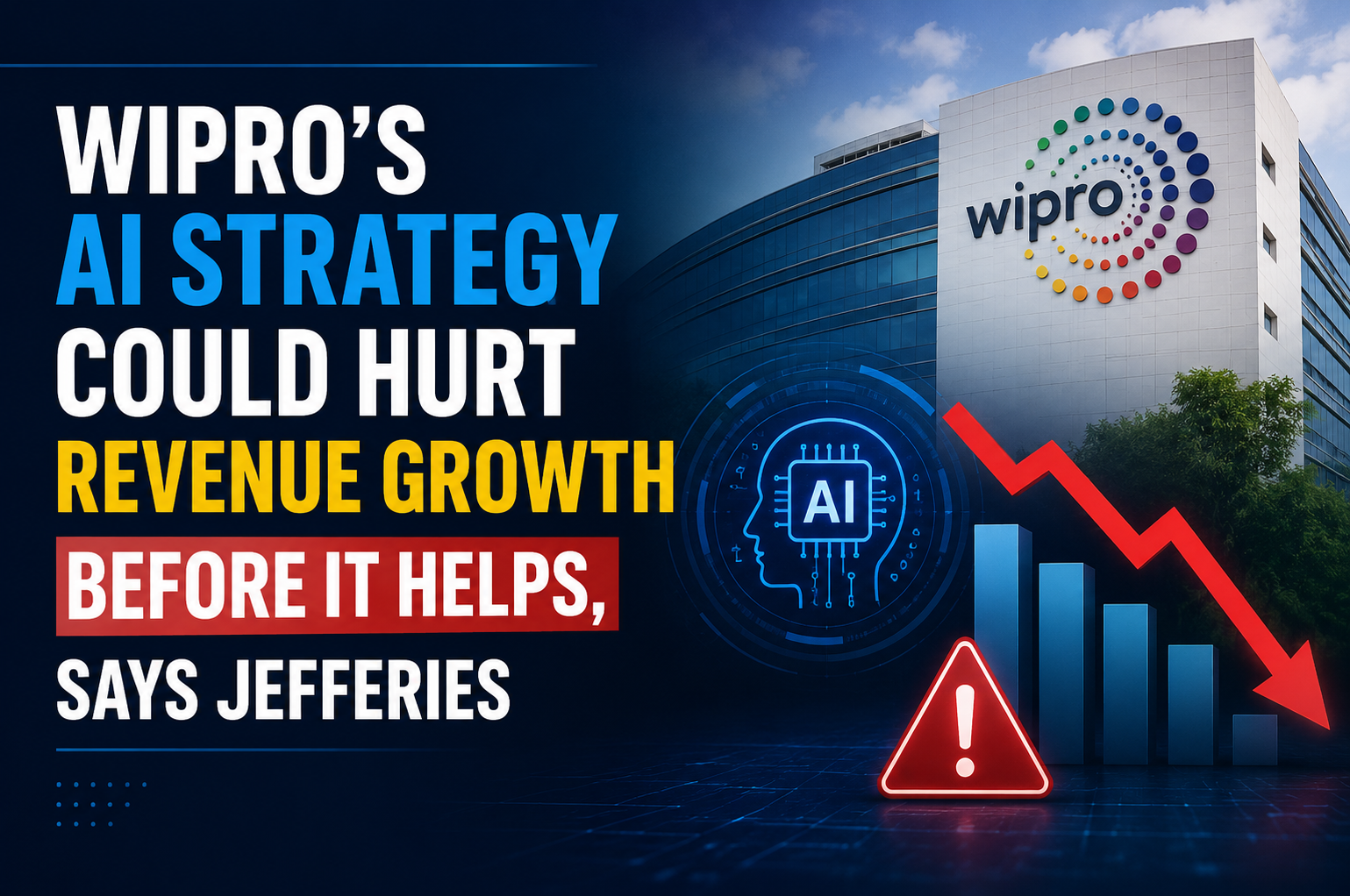
However, as Jefferies notes, this strategy may hurt Wipro’s revenue growth in the short term. The company’s investments in AI may not yield immediate returns, and the transition to new business models may be rocky.
Potential Risks and Rewards
So, what are the potential risks and rewards of Wipro’s AI strategy? On the one hand, the company may experience short-term revenue decline as it invests in AI and navigates the transition to new business models.
On the other hand, Wipro’s AI strategy may ultimately drive long-term growth and increased profitability. The company may be able to leverage AI to create new revenue streams, improve customer experiences, and enhance operational efficiency.
- Potential risks:
- Short-term revenue decline
- Disruption to existing business models
- High investment costs
- Potential rewards:
- Long-term growth and increased profitability
- Improved customer experiences
- Enhanced operational efficiency
Conclusion: The Future of Wipro’s AI Strategy
In conclusion, Wipro’s AI strategy is a high-risk, high-reward approach that may hurt the company’s revenue growth in the short term. However, if executed correctly, this strategy may ultimately drive long-term growth and increased profitability.
As the tech industry continues to evolve, companies like Wipro must be willing to take calculated risks and invest in innovation to stay ahead of the curve. Whether Wipro’s AI strategy pays off remains to be seen, but one thing is certain: the future of the tech industry will be shaped by the successful adoption of AI and digital transformation.
Written by Ankit Chauhan
Technology enthusiast focused on AI, automation and digital trends.